
- Written by Ivan Dulgerov
CPSBB hosts the Third Annual Meeting of the European project BELIS
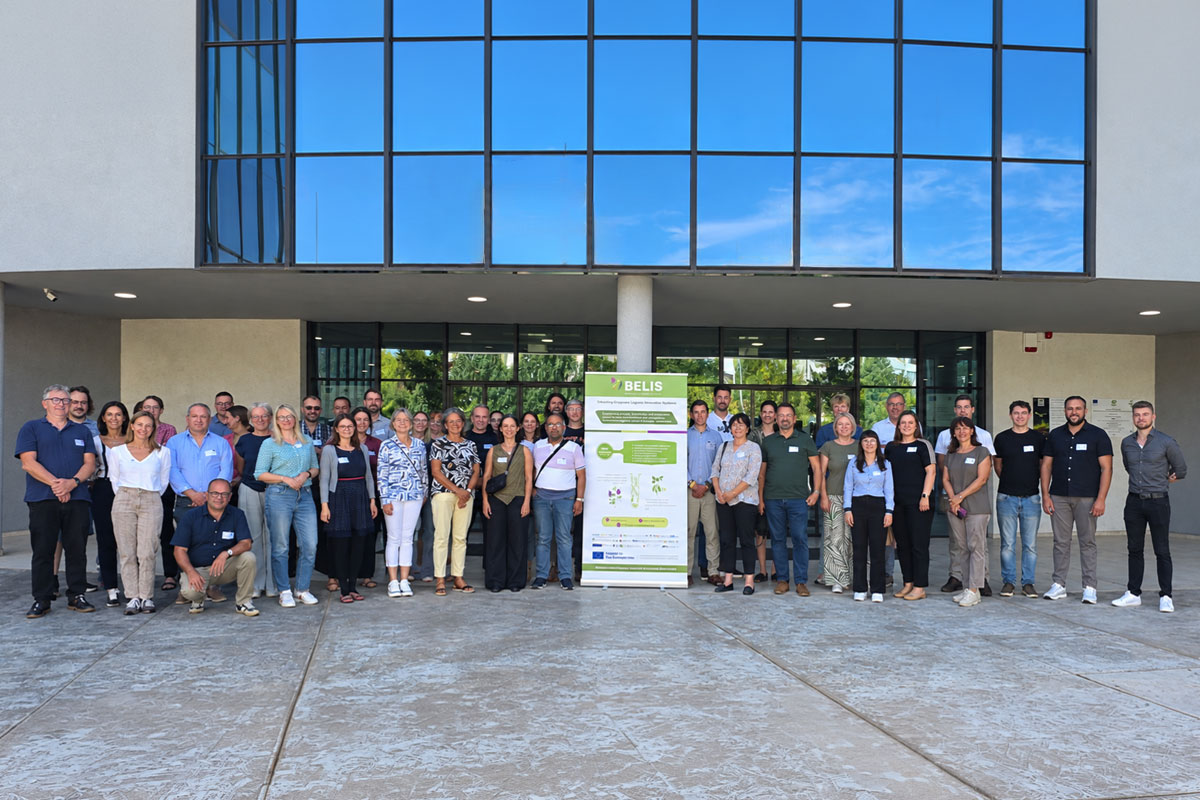
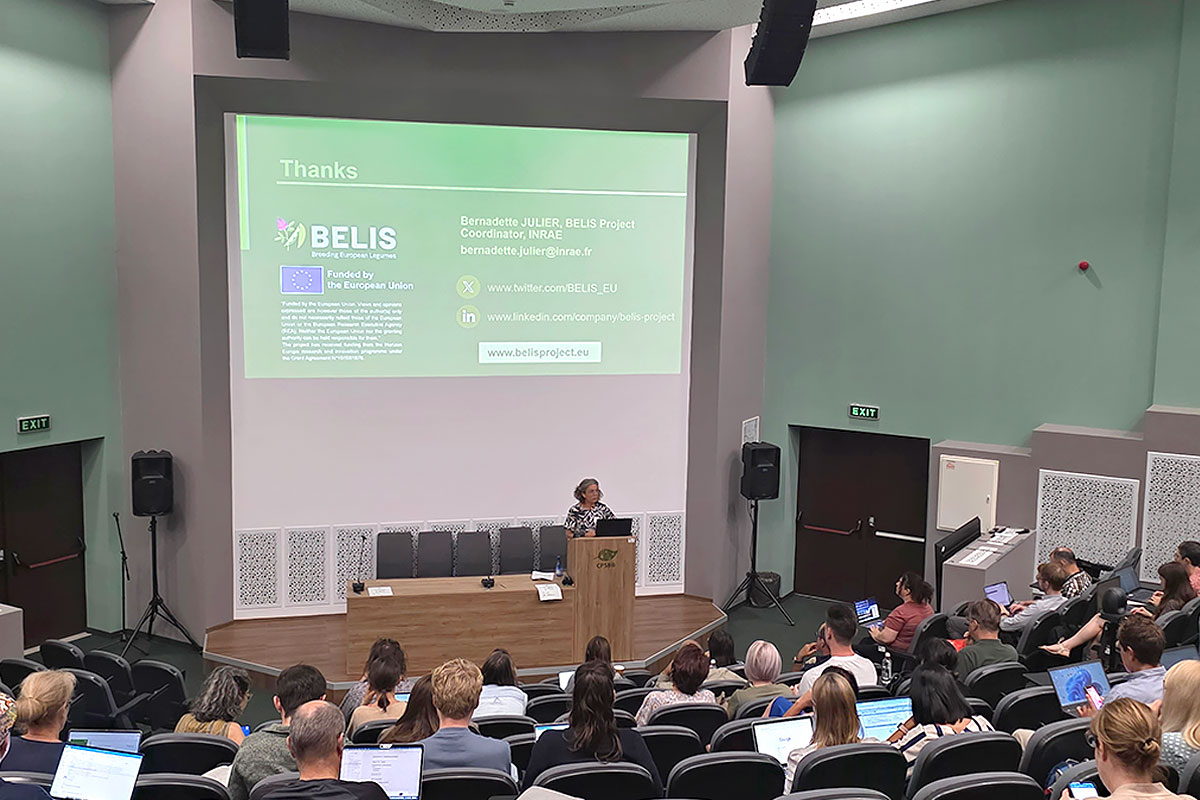
Scientists, breeders, seed producers and representatives of organisations involved in variety testing and registration from across Europe gather in Plovdiv from 15 to 17 September 2026 for the Third Annual Meeting of the European project BELIS (Breeding European Legumes for Increased Sustainability). The international forum is hosted by CPSBB which is a partner in the international consortium.
Funded under the Horizon Europe programme, the BELIS project brings together 34 partner organisations, including research institutes, universities, international organisations and industrial companies working in the fields of plant breeding, seed production, agriculture, variety testing and registration. Scientists develop advanced breeding tools and improve variety testing systems, while strengthening links between research, breeders, the seed sector, registration authorities and farmers. The main objective is to accelerate the development of more productive, resilient and high-quality legume varieties and to strengthen the competitiveness of European plant breeding and agriculture.
The project involves partners from 17 countries: France, Germany, Spain, Italy, the United Kingdom, Belgium, the Netherlands, Norway, Denmark, Switzerland, Lithuania, Libya, the Czech Republic, Poland, Croatia, Serbia and Bulgaria. Research activities cover 14 legume crops – seven grain legumes: pea, faba bean, soybean, chickpea, lentil, lupin and common bean, as well as seven forage legumes: alfalfa, red clover, white clover, annual clovers, vetch, sainfoin and birdsfoot trefoil (Lotus corniculatus).
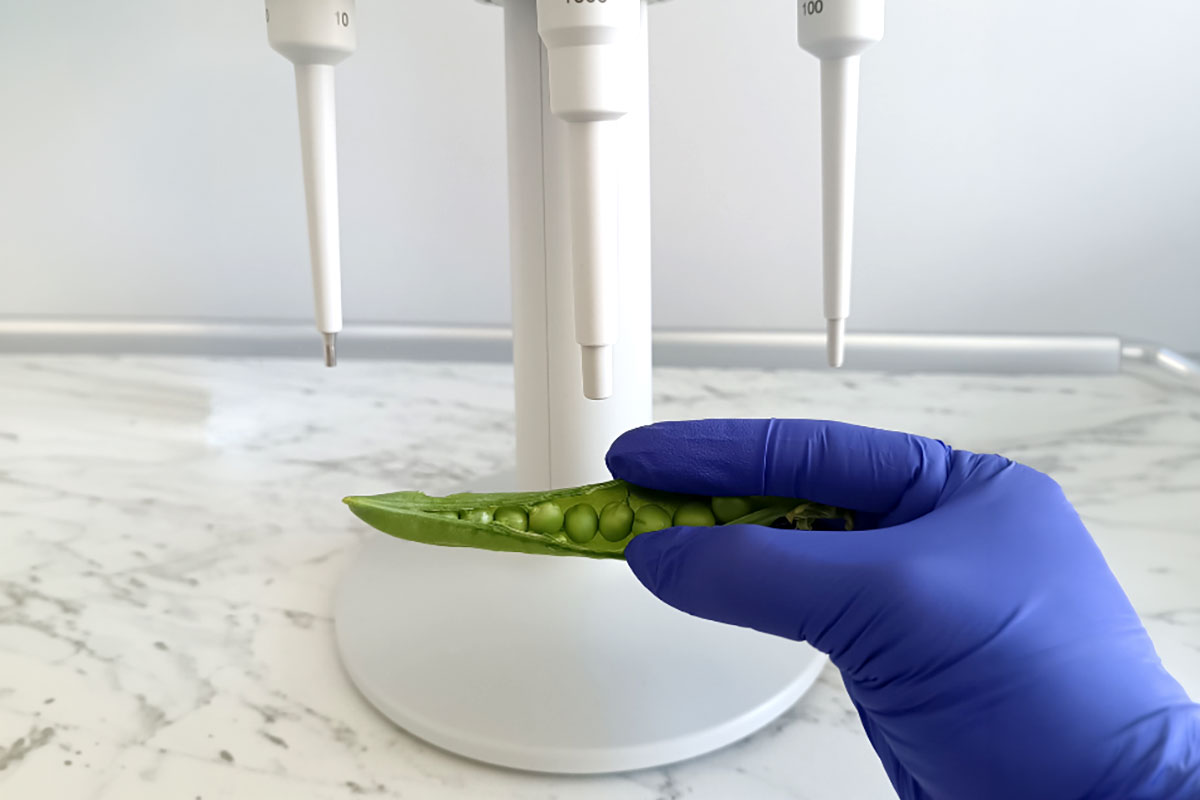
Over the past three years, research teams from CPSBB and the Maritsa Vegetable Crops Research Institute have conducted a series of field and laboratory experiments involving 153 pea accessions. The scientists studied their biometric characteristics, yield, protein content and other important traits, while the results were also analysed at the genetic level. The research identified the most promising lines and varieties. These have been used in hybridisation programmes to validate the genetic data and develop new varieties combining valuable traits such as high yield and nutritional value.
The extensive genetic database established within the project will enable breeding programmes to focus on specific traits sought by both farmers and end consumers. In this way, the research results can be directly applied to the development of a new generation of pea varieties that meet the requirements for productivity, quality and sustainable agriculture.
The Third Annual Meeting of BELIS will provide an opportunity for project partners to review the progress made over the past year and define the next steps in the project.
The three-day programme will feature results related to genomic selection, the development and testing of molecular markers for desirable biometric traits in legume crops, as well as engagement with stakeholders from the production, industry and research sectors. Particular emphasis will be placed on harmonising variety testing systems across Europe and on how scientific results can reach breeders, seed producers and farmers more rapidly.
Scientific presentations will be complemented by interactive seminars, working groups and poster sessions. A dedicated stakeholder meeting will bring together scientists, breeders and sector representatives to discuss how BELIS results can support innovation and strengthen the competitiveness of European legume breeding.
As part of the programme, participants will also visit the Institute of Plant Genetic Resources “Konstantin Malkov” in Sadovo, where they will exchange knowledge and expertise in legume breeding and plant genetic resources.
Posted in News & Events

